Theory
Walk-throughs of the Swedish traffic rules for the theory test, with references to the law. After each topic you can practise the same theme.
Speed
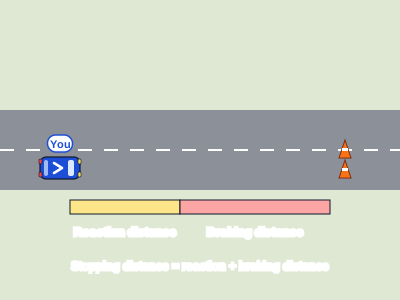
The speed limit is the highest speed you may drive at, not a recommendation. You must always adapt your speed to the conditions, even if that means driving slower than the sign.
Right of way
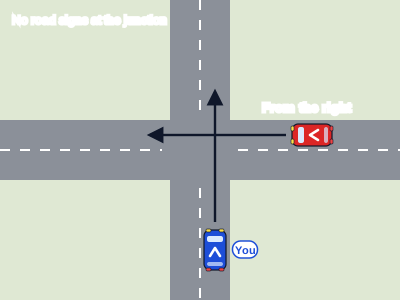
The right-of-way rules decide who has to wait. Anyone who has to give way must show it clearly in good time and may only continue when it can be done without danger or obstruction to others.
Following distance
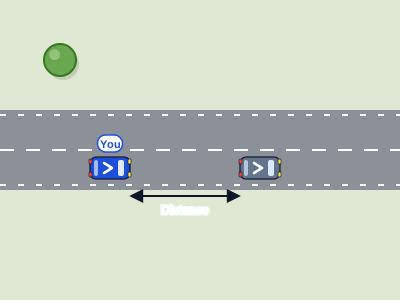
The law does not give an exact distance in metres or seconds. It requires you to keep a distance large enough that you do not risk hitting the vehicle in front if it slows down or stops.
Parking and stopping
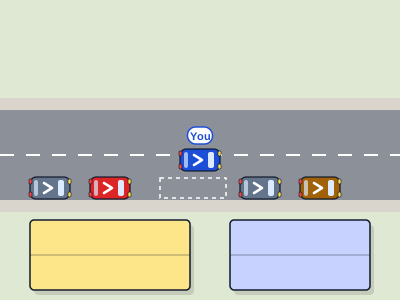
There is a difference between stopping and parking. In some places you may neither stop nor park, in others you may stop for a short while but not park.
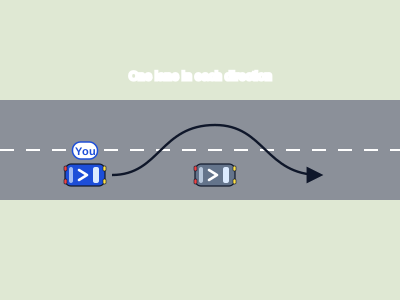
Lanes and overtaking
Where to position the car on the road and when you may overtake. Overtaking is one of the most dangerous manoeuvres, so there are many rules.
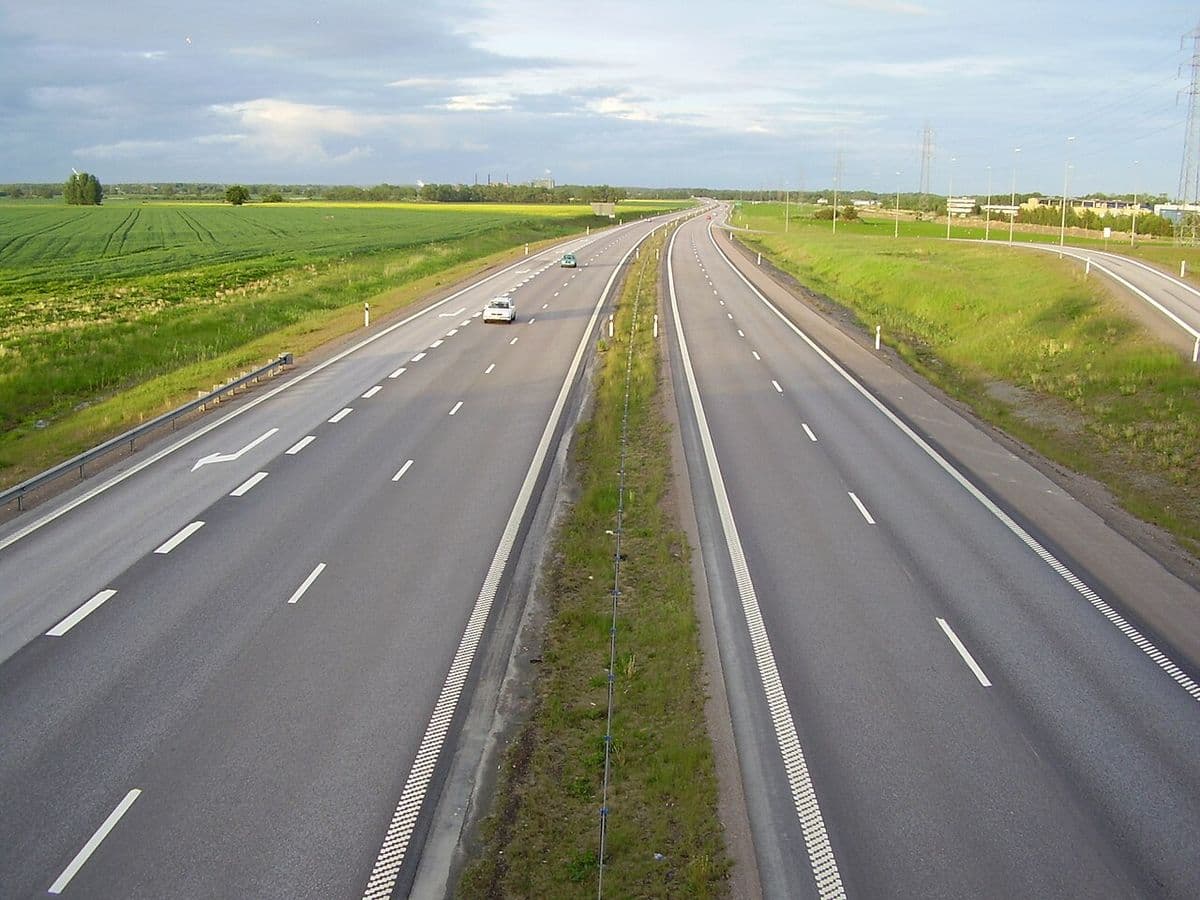
Motorways and expressways
Motorways and expressways are built for fast traffic. That is why there are special rules about who may drive there and what you may not do.
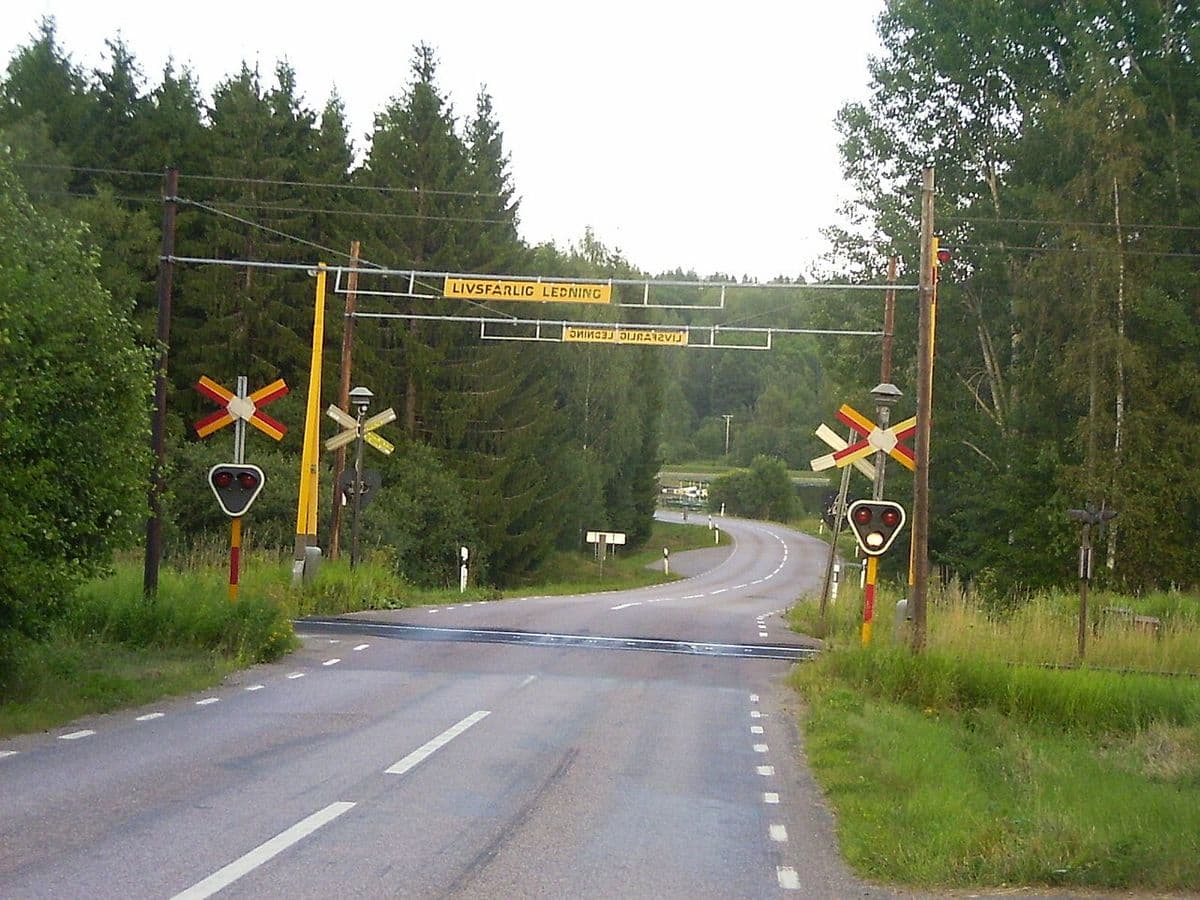
Level crossings and trams
A train cannot swerve and needs a very long distance to stop. That is why you must always clear the way for trains and trams.
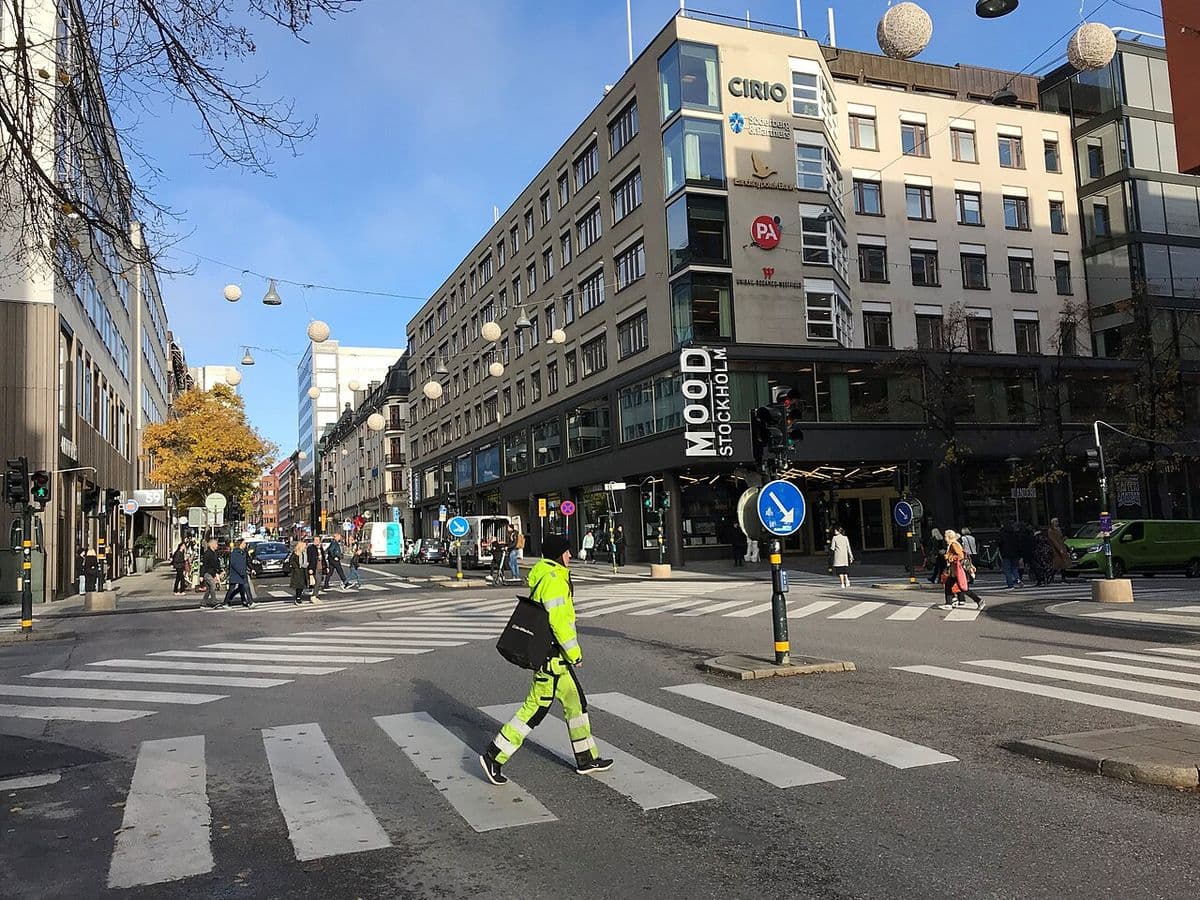
Pedestrians, cyclists and mopeds
Pedestrians and cyclists are not protected by any car body. As a driver you have a great responsibility for their safety.
Lights
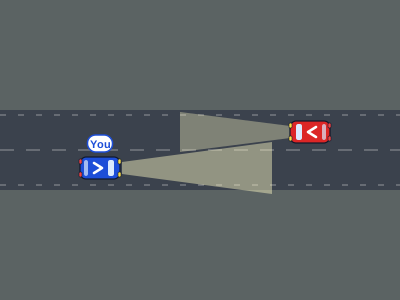
Lights let you see and let others see you. But the wrong lights can dazzle and create danger.
Winter and road conditions
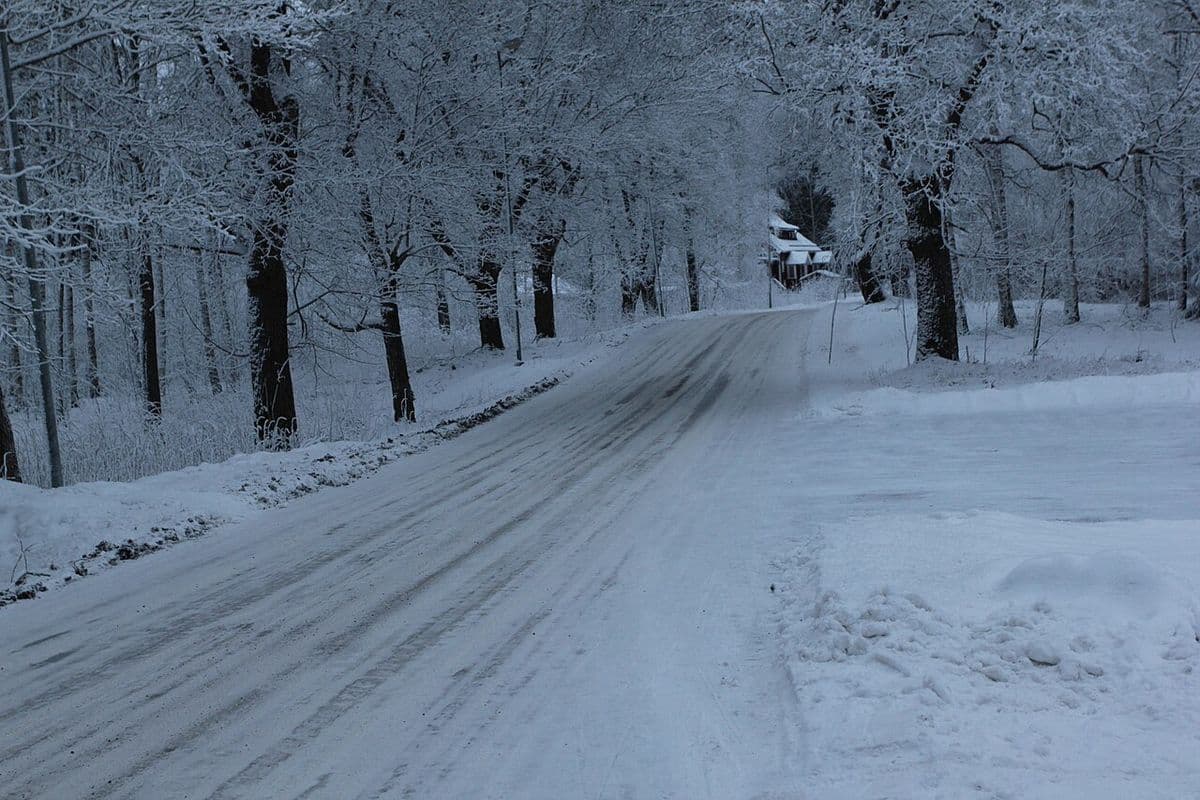
Snow, ice, rain and fog mean you need a longer distance to stop and have poorer visibility. Adapt your speed and following distance.
Alcohol, drugs and tiredness
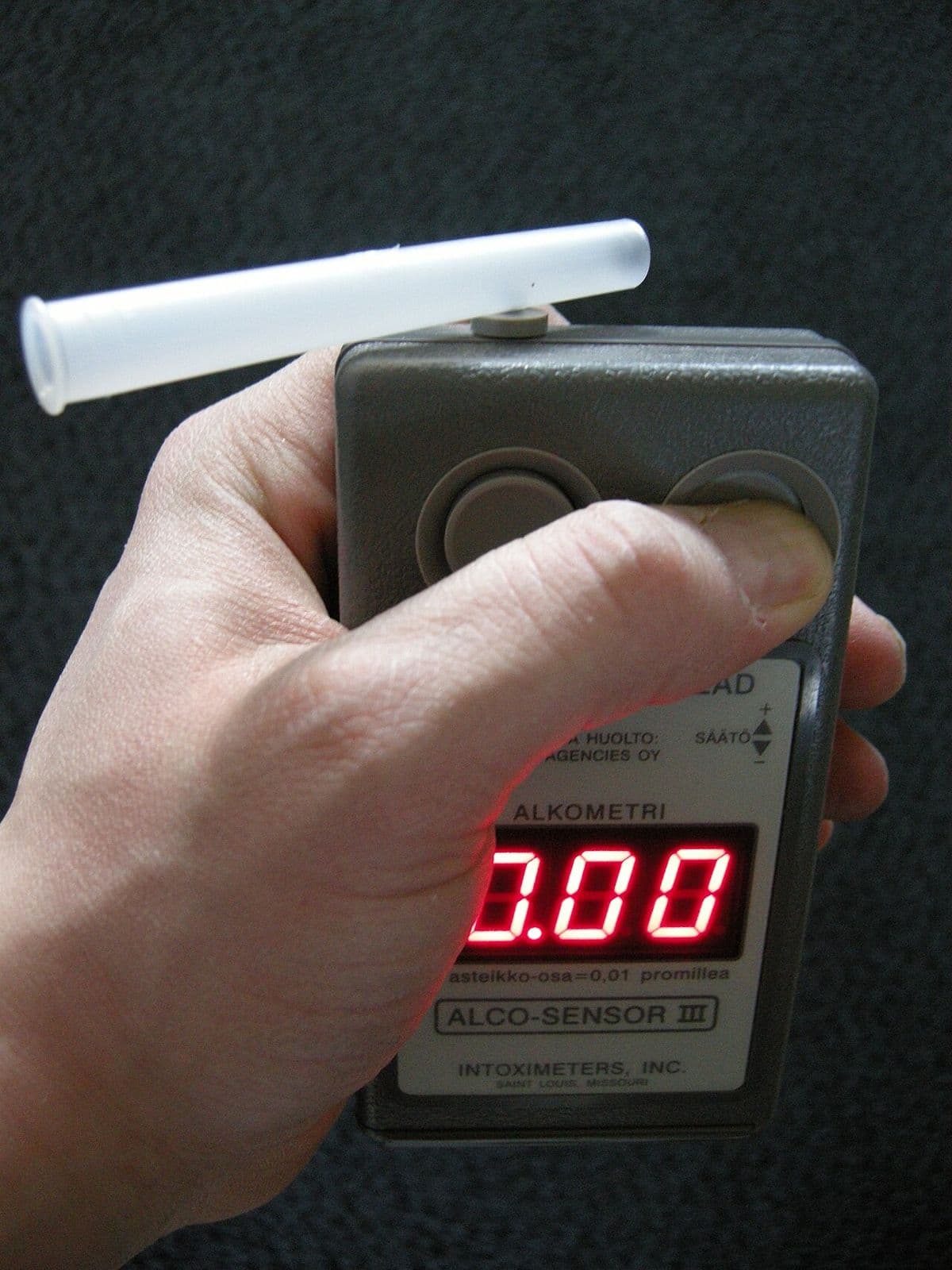
Alcohol, drugs, medicines and tiredness impair your reactions and judgement. You may not drive if you cannot drive safely.
Load, passengers and trailers
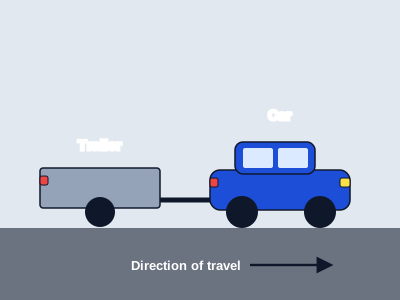
The load must be secure and must not block your view or the lights. With a trailer there are special rules about weight and speed.
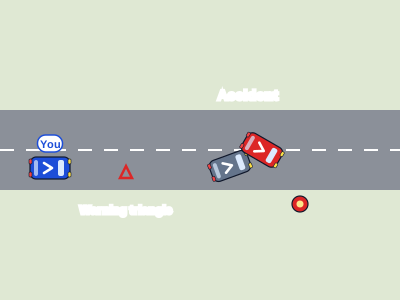
Accidents, breakdowns and emergency vehicles
If you know what to do in an accident or a breakdown, you can save lives and avoid new accidents.
Getting your driving licence
How to get a driving licence for a car (category B) in Sweden, from learner's permit to probation period.
The vehicle: inspection, insurance and tax
As a car owner you are responsible for making sure the car is roadworthy, inspected, insured and taxed.
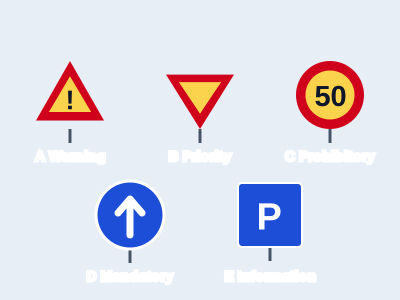
Road signs: groups and how long they apply
Road signs are divided into groups. If you recognise the group, you know at once whether the sign warns, gives a duty to give way, prohibits, requires or informs.
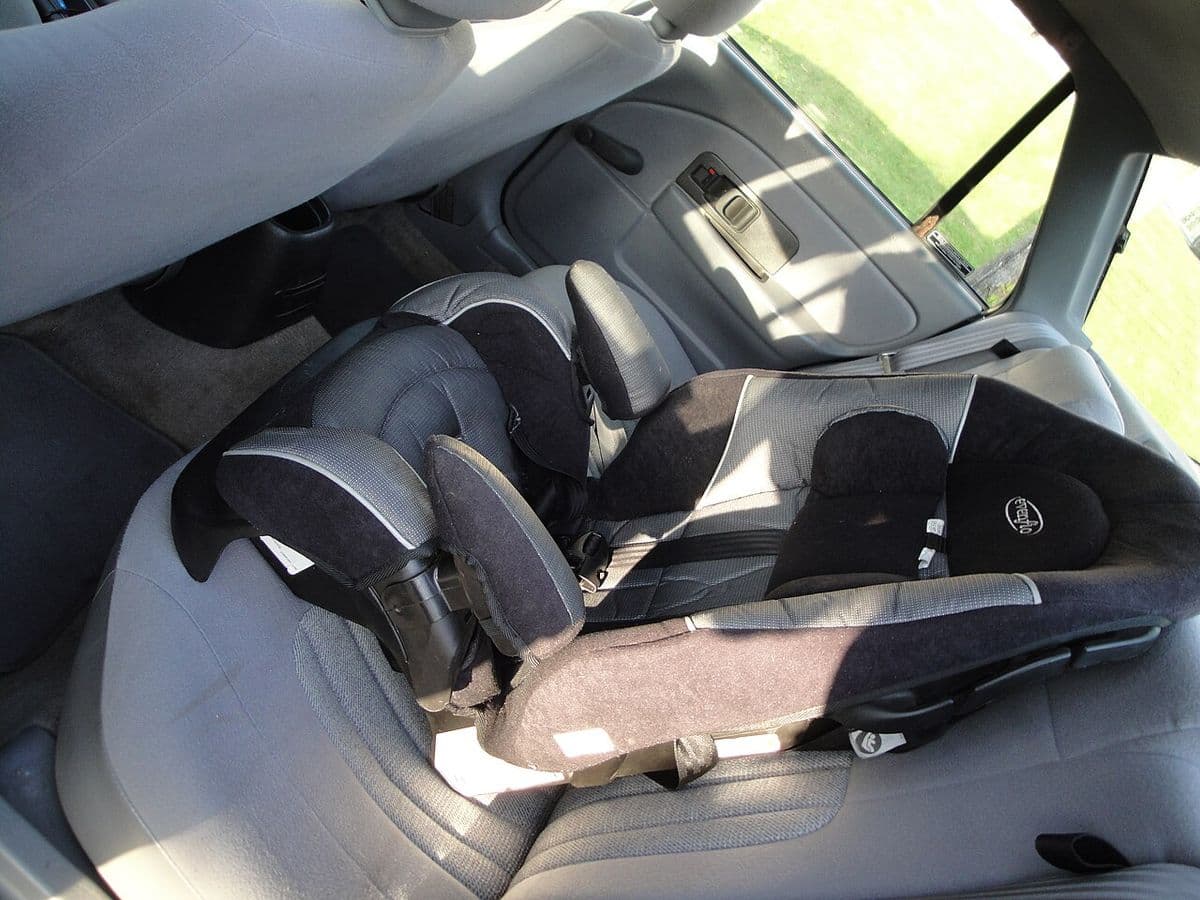
Seat belts, children in the car and mobile phones
Everyone in the car must wear a seat belt, and children shorter than 135 centimetres must have a special child restraint. You may not hold your mobile phone in your hand while driving.
Glossary
What do duty to give way, hard shoulder, maximum permitted weight and other traffic terms mean?
Road signs
All Swedish road signs, additional panels, road markings and signals with picture, code and name.